
National Parks of the USA: The Complete Guide to America's Natural Treasures
Discover the best national parks in the United States — breathtaking landscapes, hiking trails, wildlife viewing, camping tips, and everything you need to plan an unforgettable outdoor adventure.
63 National Parks
From the granite walls of Yosemite to the volcanic landscapes of Hawaii Volcanoes — an incredible diversity of protected wilderness.
World-Class Hiking Trails
Thousands of miles of trails ranging from easy nature walks to multi-day backcountry treks through pristine wilderness.
Unmatched Wildlife Viewing
Masterpieces from Van Gogh to Warhol in galleries that inspire and captivate.
Camping Under the Stars
Front-country campgrounds and backcountry sites offer overnight experiences surrounded by nature.
Adventure for Every Level
Scenic drives, ranger programs, accessible viewpoints, and extreme adventures — national parks welcome everyone.
- Natural Beauty: 10/10
- Outdoor Activities: 10/10
- Wildlife Viewing: 9/10
- Value for Money: 9/10
- Top Parks: Yellowstone, Yosemite, Grand Canyon, Zion, Great Smoky Mountains
- Best Time to Visit: Late spring (May–June) and early fall (September–October) for most parks
- Entry Fee: $15–$35 per vehicle (America the Beautiful annual pass: $80 for all parks)
- Best For: Families, hikers, photographers, road trippers, nature lovers
- Highlight: Yosemite Valley — towering granite cliffs, thundering waterfalls, and ancient sequoia groves in one spectacular landscape
America's Best Idea — The National Parks
The United States invented the concept of a national park. In 1872, Yellowstone became the first national park in the world — a place set aside not for royalty or the wealthy, but for everyone, forever. That radical idea has grown into a system of 63 national parks protecting more than 84 million acres of the most spectacular landscapes on Earth. From the frozen peaks of Denali in Alaska to the coral reefs of Dry Tortugas in Florida, the national parks preserve America’s wild heart.
The vision behind this revolutionary concept came from explorers, artists, and early conservationists who recognized that America’s most magnificent landscapes deserved permanent protection. The establishment of Yellowstone inspired countries around the world to create their own national park systems. Today, more than 100 nations have followed America’s lead, protecting wild places for future generations. The National Park Service, created in 1916, manages not only the 63 designated national parks but also national monuments, battlefields, historic sites, seashores, and recreation areas — 423 sites in total across all 50 states and U.S. territories.
These are not just scenic backdrops. They are living ecosystems, geological wonders, and cultural treasures. You can stand on the rim of the Grand Canyon and look down through two billion years of Earth’s history. You can watch Old Faithful erupt in Yellowstone, the same geyser basin that inspired the creation of the park system. You can hike among the tallest trees on Earth in Redwood, or walk through a desert valley below sea level in Death Valley.
Each park tells a unique story. The Everglades protects the largest subtropical wilderness in the United States, a slow-moving river of grass that sustains alligators, manatees, and the endangered Florida panther. Mammoth Cave in Kentucky contains the world’s longest known cave system with more than 400 mapped miles of passages. Hawaii Volcanoes National Park lets you witness the Earth creating new land as lava flows into the ocean. Acadia on the Maine coast was the first national park created from private lands donated by citizens who believed these places belonged to everyone.
The parks preserve not only natural wonders but also cultural heritage. Mesa Verde protects ancestral Puebloan cliff dwellings dating back 700 years. Independence Hall in Philadelphia, where both the Declaration of Independence and Constitution were debated and signed, is a national historical park. The Statue of Liberty stands as a national monument welcoming visitors just as it welcomed immigrants for generations. These protected places connect us to the full sweep of American history, from ancient Indigenous civilizations to the founding of the nation to the Civil Rights movement.
The parks are astonishingly popular. Great Smoky Mountains National Park draws more than 12 million visitors a year — more than the entire population of Belgium. Popular parks now require timed-entry reservations during peak seasons. Planning ahead is essential. But the reward is access to places that genuinely change how you see the world. Our guide covers the best national parks in America, when to visit each one, what to do, where to stay, and how to plan a trip that works for your family, your fitness level, and your sense of adventure.
Popularity comes with challenges. Traffic jams in Yosemite Valley rival urban rush hours on summer weekends. Parking lots at trailheads fill by 7 a.m. during peak season. The sheer number of visitors strains infrastructure, damages fragile ecosystems, and diminishes the wilderness experience the parks were created to provide. This is why planning matters more than ever. Understanding reservation systems, choosing less-crowded alternatives, and visiting during shoulder seasons allows you to experience these remarkable places as they were meant to be experienced — with space to breathe, time to reflect, and opportunities to connect with nature without fighting through crowds
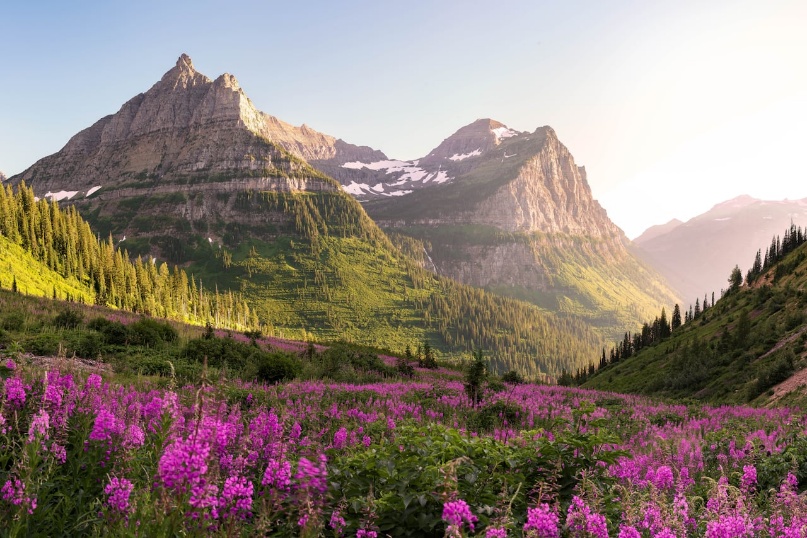
America's Best National Parks
From the iconic to the underrated — these are the national parks that belong on every traveler’s list.
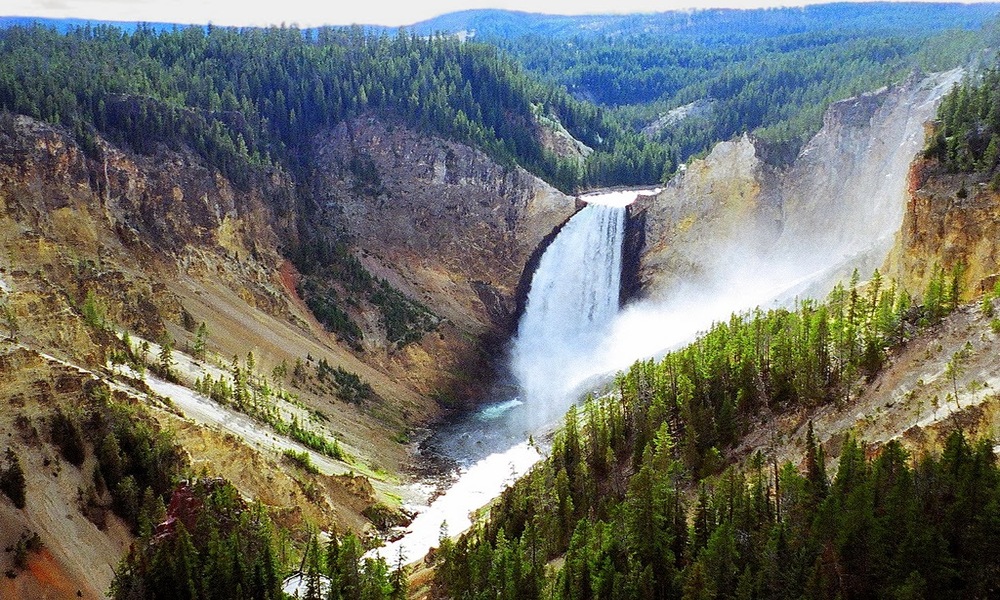
Yellowstone — Wyoming, Montana, Idaho
The world's first national park and still one of the greatest. Geysers, hot springs, bubbling mud pots, and the Lamar Valley — America's Serengeti — where bison, wolves, and grizzly bears roam. Old Faithful and Grand Prismatic Spring are the icons.
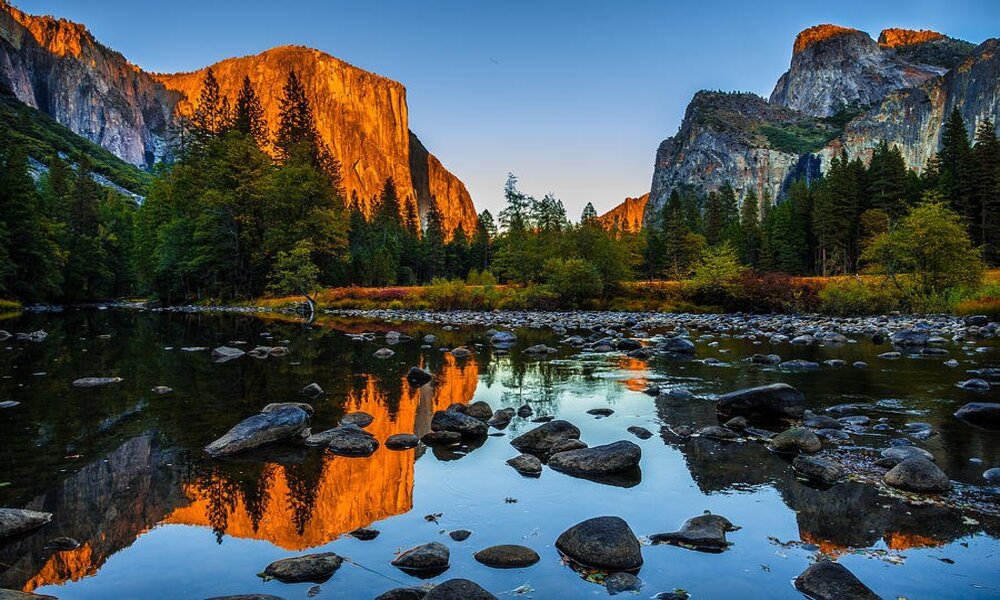
Yosemite — California
Granite monoliths of El Capitan and Half Dome, thundering waterfalls, and ancient giant sequoias. Yosemite Valley is the most concentrated dose of natural beauty in the park system. The high country along Tioga Road offers alpine solitude.
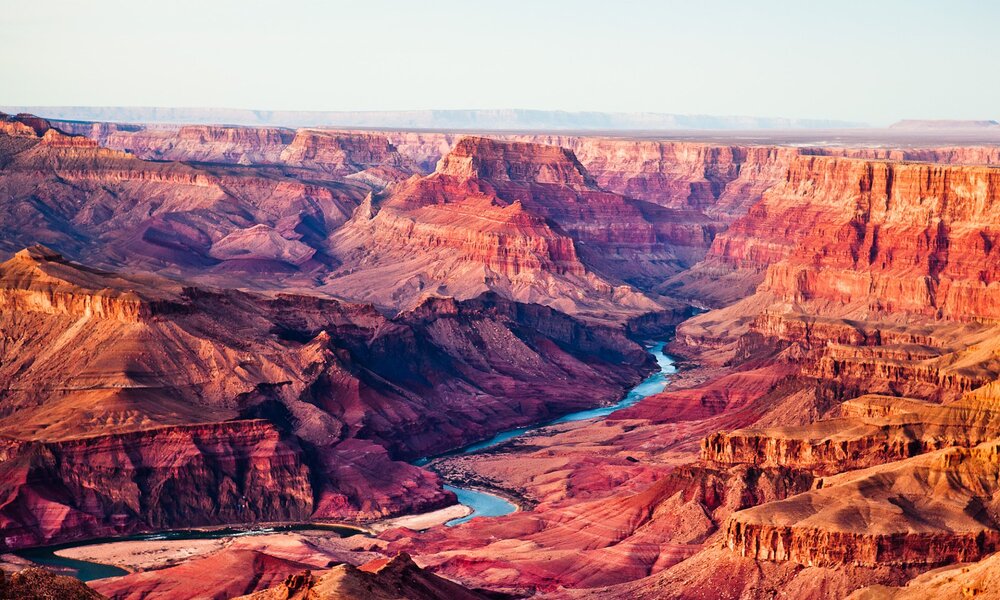
Grand Canyon — Arizona
Two billion years of geology exposed in a mile-deep chasm. The South Rim is the classic viewpoint, open year-round. The North Rim is higher, cooler, and less crowded. Hiking into the canyon — even a short distance — transforms the experience.
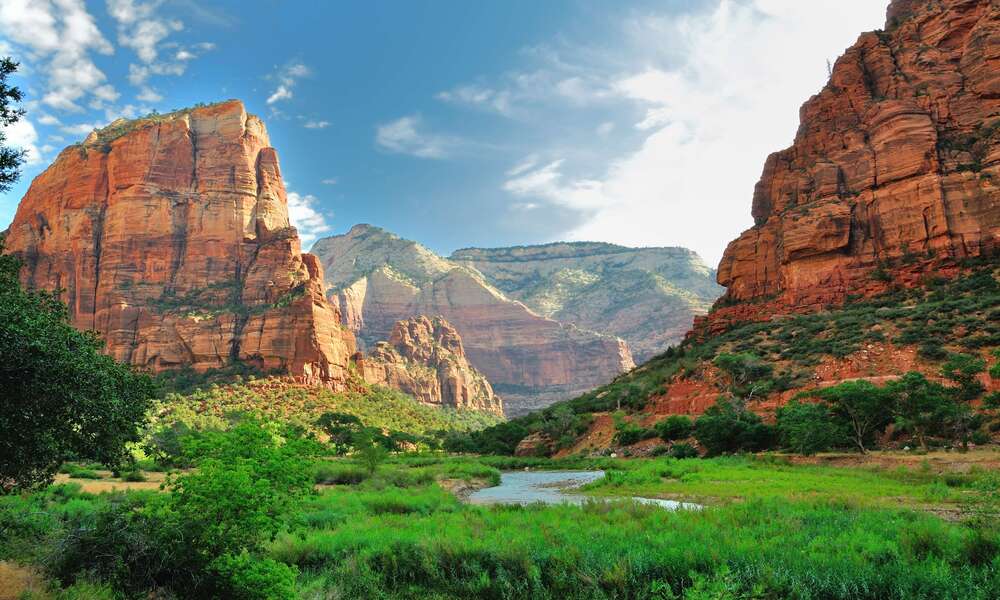
Zion — Utah
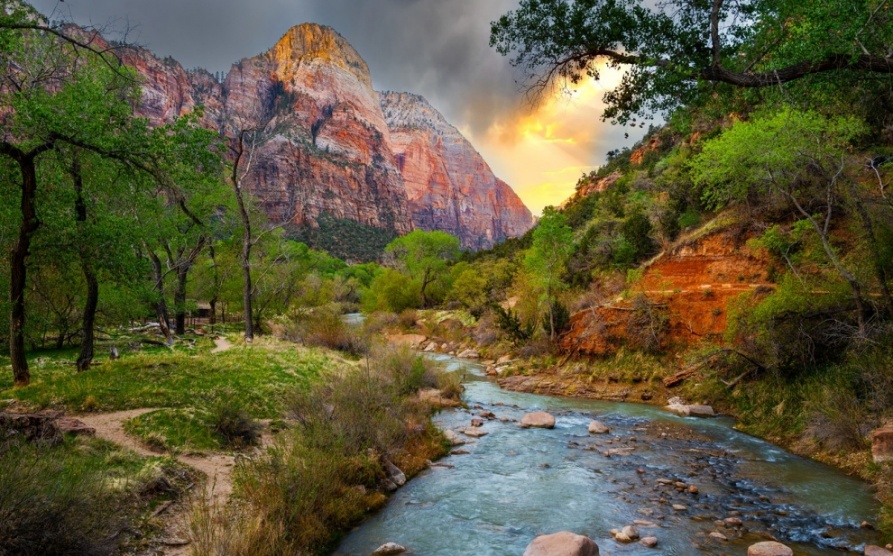
Towering sandstone cliffs, the Virgin River Narrows, and the vertiginous Angels Landing hike. Zion Canyon is accessible only by shuttle bus during peak season. The red rock scenery is unforgettable.
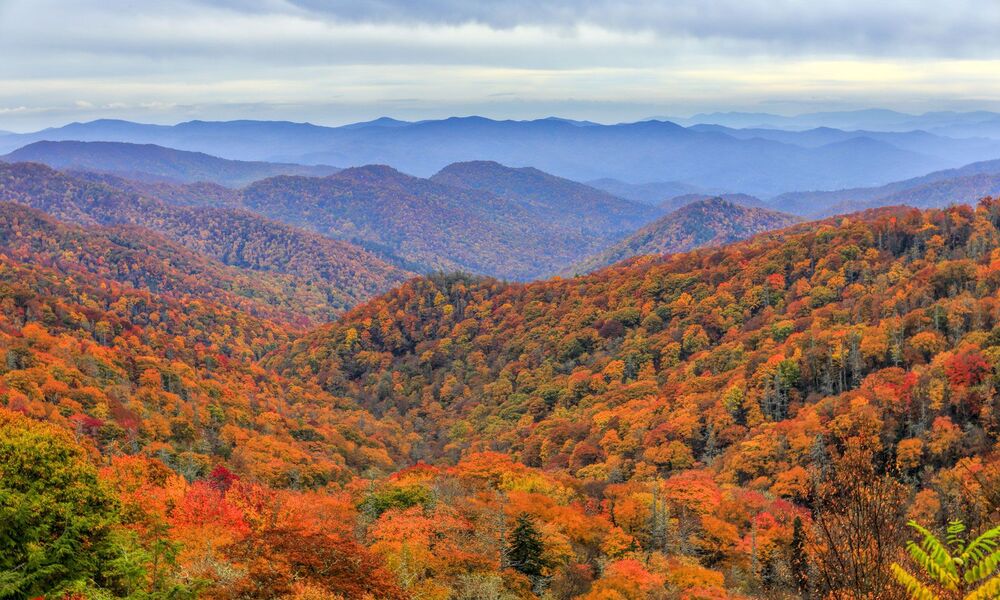
Great Smoky Mountains — Tennessee, North Carolina
America's most visited national park. Misty blue ridges, historic cabins, and incredible biodiversity. Cades Cove is a wildlife-rich valley with a scenic loop road. Synchronous fireflies put on a show in late spring.
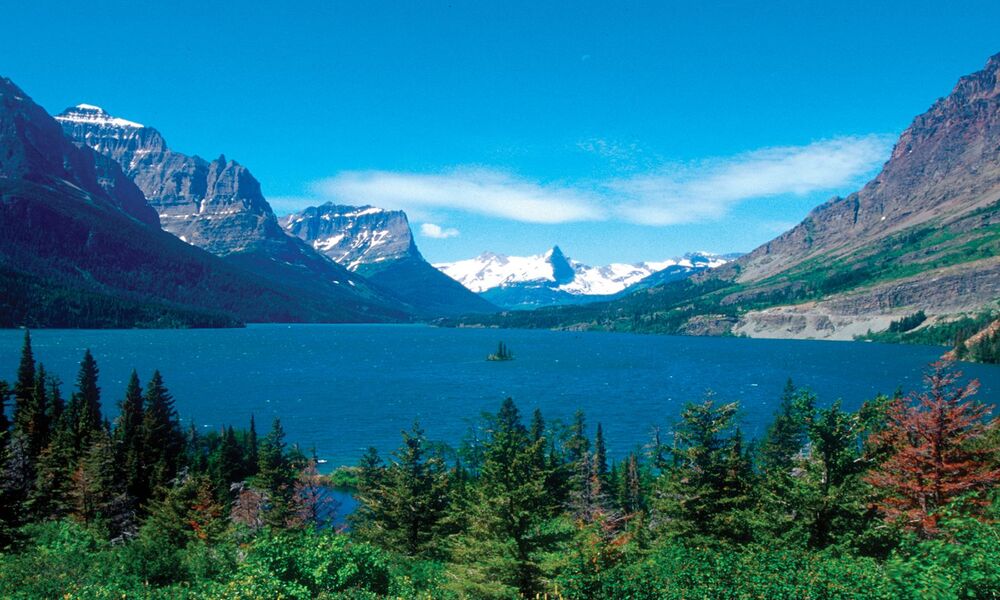
Glacier — Montana
The Crown of the Continent. The Going-to-the-Sun Road is one of the most spectacular drives in the world. Alpine lakes, hanging valleys, and glaciers that may not survive another generation. A place of urgent, fragile beauty.
National Park Strategy: Reservations, Timing, and Pro Tips
National park visitation has surged in recent years, and the most popular parks have responded with timed-entry reservation systems. These are not suggestions — at parks like Yosemite, Glacier, Arches, and Rocky Mountain during peak season, you cannot enter without a reservation. Check each park’s website months before your trip. Reservations typically open on a rolling basis and sell out within minutes for popular dates.
The reservation systems vary by park. Yosemite requires day-use reservations for entry during peak summer months, typically May through September. These reservations are in addition to any camping or lodging reservations you might have. Glacier National Park uses the Vehicle Reservation System for the Going-to-the-Sun Road corridor. Arches issues timed-entry reservations for morning arrivals. Rocky Mountain requires reservations for entering before a certain time. Each system opens reservations months in advance on Recreation.gov. Mark your calendar for the exact date and time reservations open, set alarms, and be online ready to book the moment they become available. Have backup dates ready because first-choice dates disappear within seconds.
If you miss getting a reservation, don’t give up. Parks often release a limited number of day-before or day-of reservations. Cancellations occur. Check the reservation system repeatedly in the days leading up to your trip. Persistence pays off. Alternatively, consider entering during unrestricted hours if the park offers them — some reservation systems only apply to certain hours, leaving early morning or evening access open to all.
The America the Beautiful annual pass costs $80 and covers entry to all national parks and federal recreation lands for a year. If you plan to visit three or more parks in a 12-month period, it pays for itself. The pass also covers senior citizens, military members, and people with permanent disabilities who qualify for free or discounted lifetime passes. Buy online or at the entrance station of your first park.
The pass covers the passholder and passengers in a single vehicle at per-vehicle fee areas, or the passholder plus three adults at per-person fee areas. Children under 16 are always free. The senior lifetime pass costs $80 and is valid for life for U.S. citizens or permanent residents age 62 or older. The military pass is free for current U.S. military members and dependents with valid ID. The access pass is free for U.S. citizens or permanent residents with permanent disabilities. These passes are exceptional values and support the parks you love — proceeds help fund conservation, maintenance, and visitor services.
Timing is everything. Summer is peak season at most parks — July and August bring maximum crowds, maximum heat, and minimum solitude. Late spring and early fall are the sweet spots. May and June offer flowing waterfalls from snowmelt. September and October bring fall colors and crisp air. Winter transforms parks like Yosemite, Bryce Canyon, and Yellowstone into quiet, snow-covered wonderlands — but roads and facilities may be limited.
Understanding seasonal patterns for each region helps you plan better. Southern and desert parks like Joshua Tree, Death Valley, and Big Bend are unbearably hot in summer but glorious from November through March. Pacific Northwest parks like Olympic and North Cascades see heavy rain in winter but offer mild temperatures and lush greenery in spring and fall. Alpine parks like Rocky Mountain and Glacier have short summer seasons when high-elevation trails are snow-free, typically July through mid-September. Coastal parks like Acadia and Channel Islands offer pleasant conditions nearly year-round but with distinct seasonal character — summer fog, fall clarity, winter storms, spring wildflowers.
Shoulder season offers the best balance of weather, access, and crowds. Late May and early June provide long daylight hours, blooming wildflowers, and waterfalls at peak flow, with far fewer visitors than July. September combines stable weather, warm days, and cool nights with significantly reduced crowds after school starts. These months offer the national park experience closer to what early visitors enjoyed — space, quiet, and connection with nature without constant crowds.
Lodging inside the parks — from historic hotels like the Ahwahnee in Yosemite to rustic cabins in Glacier — books up a year in advance for peak dates. If you cannot get in-park lodging, gateway towns offer hotels, motels, and vacation rentals within driving distance. Campground reservations through Recreation.gov open on a rolling basis and fill just as fast as hotels. Backcountry permits are required for overnight hiking at most parks and are often distributed by lottery.
Historic park lodges are bucket-list experiences worth the effort to book. The Old Faithful Inn in Yellowstone, built in 1904, is the largest log structure in the world with a soaring lobby centered on a massive stone fireplace. The Crater Lake Lodge perches on the rim with views across the impossibly blue water. The Zion Lodge sits in the heart of Zion Canyon surrounded by towering sandstone cliffs. These lodges book up exactly one year in advance to the day. Set a reminder, be online at the reservation opening time, and book immediately. If you miss the initial opening, check back frequently — cancellations happen and rooms become available.
Gateway towns vary widely in character and distance from park entrances. Springdale, Utah, sits right at Zion’s entrance with walkable restaurants and hotels. West Yellowstone, Montana, offers extensive lodging options just outside the park’s west entrance. Moab, Utah, serves both Arches and Canyonlands with a full range of accommodations and outfitters. Some gateway towns are an hour or more from park entrances — factor drive time into your daily plans when choosing where to stay.
Camping is the classic national park experience. Campgrounds range from primitive sites with pit toilets to developed campgrounds with flush toilets, showers, and hookups for RVs. Some campgrounds operate on reservations, others on first-come, first-served basis. First-come campgrounds fill by mid-morning during peak season — arrive before 9 a.m. or have a backup plan. Backcountry camping offers solitude and immersion in wilderness but requires permits, navigation skills, and proper gear. Apply for popular backcountry permits months in advance through each park’s permit system.
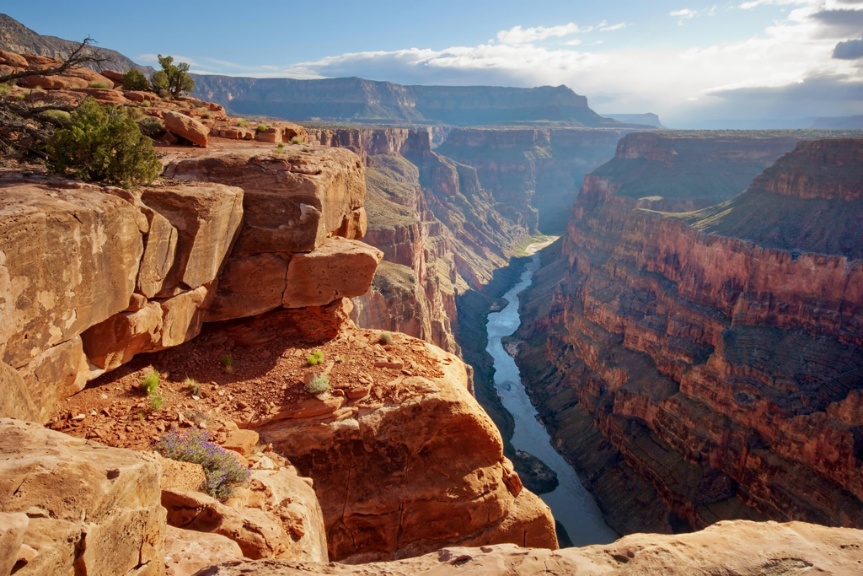
Bucket List Trails and Drives in the National Parks
The national parks are home to some of the greatest hiking trails on Earth. The Half Dome hike in Yosemite is a 14- to 16-mile round trip that climbs 4,800 feet to the top of the park’s most iconic granite dome. The final 400 feet use steel cables bolted into the rock. Permits are required and distributed by lottery. It is one of the most physically demanding and rewarding day hikes in the park system.
Half Dome permits are distributed through a preseason lottery in March and a daily lottery during hiking season. The preseason lottery awards the majority of permits. If you miss it, the daily lottery offers a second chance but with lower odds. The cable system is installed only from late May through early October. Without cables, ascending Half Dome requires technical rock climbing skills. The hike starts from Happy Isles or the valley floor, climbs past Vernal Fall and Nevada Fall, then ascends the infamous cables. Start before dawn — reaching the cables by early afternoon reduces exposure to lightning risk from afternoon thunderstorms. Gloves are essential for gripping the cables. Many hikers bring work gloves or purchase specialized cable gloves in the valley. This hike demands fitness, determination, and respect for the mountain.
The Angels Landing hike in Zion climbs 1,500 feet to a narrow sandstone fin with 1,000-foot drop-offs on both sides. Chains bolted into the rock provide handholds on the final exposed section. A permit is required. The Narrows is a unique hike through the Virgin River itself — wading, sometimes swimming, through a slot canyon with walls soaring a thousand feet overhead. Check flash flood risk before entering.
Angels Landing permits are also distributed by lottery — a seasonal lottery for advance planning and a day-before lottery for last-minute opportunities. The hike gains elevation through a series of switchbacks called Walter’s Wiggles before reaching Scout Lookout. The final half-mile scrambles along a narrow ridge with chains bolted into the rock. This section is not for anyone with fear of heights. The exposure is real and serious. People have fallen and died. Take your time, wait for traffic to clear, and turn back if conditions or your comfort level warrant. The views from Scout Lookout are spectacular even if you choose not to continue to the summit.
The Narrows can be hiked from the bottom up starting at the Temple of Sinawava, or top-down as a through-hike requiring a permit and shuttle. The bottom-up day hike requires no permit and lets you walk as far as you like before turning around. Most day hikers go at least to Wall Street, where the canyon narrows dramatically and walls rise 1,000 feet overhead. Rent canyoneering shoes and walking sticks in Springdale — they make a huge difference. Check the flash flood forecast daily at the visitor center. If risk is moderate or high, do not enter. Flash floods in slot canyons are deadly, arrive with no warning, and offer no escape.
The Bright Angel Trail in the Grand Canyon descends from the South Rim into the canyon. Day hikers should turn around at the 1.5-mile or 3-mile rest houses. Going to the river and back in one day is dangerous and strongly discouraged. The trail offers shade, water stations, and unforgettable views. Start at sunrise.
The trail descends 4,380 feet over 9.5 miles to the Colorado River. Descending is the easy part — ascending back out of the canyon in afternoon heat has led to countless rescues and deaths. The National Park Service strongly discourages hiking to the river and back in one day. Most day hikers turn around at the 1.5-mile resthouse after dropping 1,131 feet, or at the 3-mile resthouse after descending 2,112 feet. These turnaround points offer shade, water, and restrooms. The views are stunning at any depth into the canyon. Remember: down is optional, up is mandatory. Save energy for the climb out, which takes twice as long as the descent. Carry plenty of water and salty snacks. Heat exhaustion and hyponatremia are real dangers.
For those prepared for an epic adventure, hiking rim-to-rim or rim-to-river-and-back as an overnight trip is unforgettable. Backcountry permits are required and in extremely high demand. Apply months in advance. The classic rim-to-rim hike descends the North Kaibab Trail and ascends the Bright Angel, or vice versa, camping at Bright Angel Campground or Phantom Ranch at the bottom.
The Going-to-the-Sun Road in Glacier National Park is a 50-mile engineering marvel that crosses the Continental Divide. The road clings to mountainsides with sheer drops and panoramic views. It is open only in summer — snow closes it from October through June. The drive takes about two hours without stops, but you will want to stop constantly. Red buses offer narrated tours if you prefer not to drive.
The road took 11 years to build and was completed in 1933. It climbs from the forested shores of Lake McDonald to the alpine tundra at Logan Pass, then descends to St. Mary Lake. The views are relentless — jagged peaks, hanging valleys, glaciers, waterfalls, and turquoise lakes. Pullouts and overlooks appear constantly. Logan Pass, at 6,646 feet, offers access to the Hidden Lake Trail and the Highline Trail. Arrive at Logan Pass before 8 a.m. to find parking — after that, the lot fills completely and remains full until evening.
The park’s historic red buses, called “jammers,” date to the 1930s and have been restored with modern safety features while maintaining their vintage character. The roll-back canvas tops provide open-air views. Drivers provide narration about the park’s geology, ecology, and history. For visitors uncomfortable with heights or narrow roads, the red bus tours offer the experience without the stress of driving.
The Blue Ridge Parkway and Skyline Drive connect Shenandoah National Park to Great Smoky Mountains National Park along 574 miles of ridgeline highway. The speed limit is 45 mph. Overlooks appear every few miles. Fall color season is spectacular and extremely crowded. Spring wildflowers are equally beautiful with far fewer visitors.
Skyline Drive runs 105 miles along the crest of the Blue Ridge Mountains through Shenandoah National Park. The Blue Ridge Parkway continues 469 miles south to Great Smoky Mountains. Together they form America’s most scenic drive, purpose-built for leisurely travel through mountain landscapes. The Parkway was constructed during the Great Depression as a public works project, providing jobs while creating a road designed purely for pleasure driving with no commercial traffic.
The route crosses through different ecosystems and climate zones. Starting in Shenandoah’s oak-hickory forests, the road climbs to higher elevations with spruce-fir forests, then descends through rhododendron thickets and eventually reaches the mixed forests of the Smokies. Each season brings different beauty. Spring sees wildflowers blooming in waves as elevation changes. Summer offers lush green forests and frequent afternoon thunderstorms. Fall color typically peaks in mid-October at higher elevations and late October in the valleys, painting the mountains in gold, orange, and red. Winter brings solitude and occasional snow closures.
Plan for slow travel. Driving the entire route in one go defeats the purpose. Stop at overlooks. Take short hikes to waterfalls. Visit the folk-art centers and historic sites along the way. Stay in the mountain towns — Asheville, North Carolina, is the unofficial capital of the Parkway with a vibrant arts scene, craft breweries, and excellent food.
Wildlife Watching and Staying Safe in the Parks
Seeing wildlife in its natural habitat is one of the great joys of visiting a national park. The key is knowing where and when to look. Dawn and dusk are the most active times for mammals. The Lamar Valley in Yellowstone is called America’s Serengeti — bison, elk, pronghorn, wolves, and grizzly bears are regularly seen from the road. Cades Cove in Great Smoky Mountains is best for black bears and white-tailed deer. Rocky Mountain National Park’s alpine tundra is home to bighorn sheep and elk.
Wildlife viewing requires patience and respect. Bring binoculars or a spotting scope to observe animals without disturbing them. A 400mm or longer telephoto lens is ideal for photography. Animals are most active in early morning and evening when temperatures are cooler. During midday, mammals rest in shade and are harder to spot. Learn to look for movement, shapes that don’t fit the landscape, and patches of color against the background.
Yellowstone’s Lamar Valley is the premier wildlife watching destination in the lower 48 states. Drive slowly, watch for other vehicles stopped or clustered — they usually indicate animal sightings. Wolves are most often spotted in early morning as the pack travels or hunts. Grizzly bears dig for ground squirrels and roots in the open meadows. Massive bison herds graze alongside the road. During fall elk rut, bugling bulls gather harems and challenge rivals in dramatic battles.
Cades Cove in Great Smoky Mountains is an 11-mile one-way loop road through a broad valley surrounded by mountains. Historic cabins and churches dot the landscape. Black bears are frequently seen, especially in spring when cubs emerge and in fall when bears feed intensively before hibernation. White-tailed deer appear in the meadows at dawn and dusk. Wild turkeys scratch for food along the roadsides. Arrive at sunrise or stay until evening — midday brings crowds that reduce wildlife activity.
Safety around wildlife is serious. Stay at least 100 yards from bears and wolves, and at least 25 yards from bison, elk, and moose. These are wild animals, not petting zoo residents. Bison injure more visitors in Yellowstone than any other animal — usually because someone approached too close for a photo. Do not feed any wild animal. Ever. It harms their health, alters their behavior, and can lead to them being euthanized.
Understanding animal behavior helps you stay safe. Bison appear docile but are unpredictable and fast — they can run 35 mph, much faster than any human. They will charge if they feel threatened. If a bison turns to face you, raises its tail, or paws the ground, you are too close — back away immediately. Moose are even more dangerous than bison despite being less famous. Bulls become aggressive during fall rut, and cows with calves are fiercely protective. Moose have killed people by stomping them.
Bears require special precautions. Black bears are smaller and usually shy, but they are powerful predators capable of killing a person. Grizzly bears are larger, more aggressive, and more dangerous. Make noise while hiking — talk, sing, clap — so bears hear you coming and move away. Hike in groups when possible. Carry bear spray and know how to use it. If you encounter a bear, stay calm, speak in a calm voice, and back away slowly. Never run — that triggers a chase response. If a bear charges, deploy your bear spray when the bear is 30-40 feet away.
Store food properly in bear country. Use bear-proof food lockers at campgrounds and trailheads. Never leave food in your car — bears will break windows to get it. In the backcountry, use bear canisters or hang food in bear bags at least 12 feet high and 6 feet from tree trunks. Cook and eat at least 100 yards downwind from your tent. Sleep in clean clothes separate from the clothes you cooked in.
Weather in national parks can change rapidly. Afternoon thunderstorms are common in mountain parks during summer. Avoid exposed ridges during lightning risk. Flash floods are a danger in desert slot canyons — never enter a narrow canyon if rain is forecast upstream. Heat is the most underestimated danger in desert parks. Carry more water than you think you need, start hikes at dawn, and turn around when your water is half gone.
Mountain weather is famously unpredictable. Temperatures drop 3-5 degrees Fahrenheit for every 1,000 feet of elevation gain. A sunny 75-degree morning at the trailhead can become a 40-degree, windy, rainy afternoon at the summit. Thunderstorms build rapidly on summer afternoons. Lightning kills people in the mountains every year. If you hear thunder, you are within striking distance. Get off ridges, peaks, and exposed areas immediately. Avoid isolated tall trees — lightning seeks the highest point. Get away from metal objects including trekking poles and backpack frames. Crouch low on your sleeping pad or pack if caught in the open.
Desert heat is a killer. Death Valley and other low-elevation desert parks regularly exceed 120°F in summer. At these temperatures, hiking is genuinely dangerous. The body cannot cool itself effectively. Heat stroke can develop rapidly. Park rangers discourage hiking after 10 a.m. in summer. If you must visit desert parks in summer, hike before sunrise and be off the trail by mid-morning. Drink water constantly — one liter per hour is a minimum in extreme heat. Wear sun protection including hat, sunglasses, and long sleeves. Recognize signs of heat exhaustion: dizziness, nausea, headache, rapid pulse. Heat stroke is life-threatening: confusion, lack of sweating despite heat, loss of consciousness. Get to shade, cool the body with water, and seek emergency help immediately.
Flash floods kill hikers in desert slot canyons. These narrow canyons can fill wall-to-wall with water in minutes from storms miles away. Water rushes through with tremendous force carrying boulders and debris. There is no escape. Check weather forecasts for the entire drainage basin upstream, not just where you are. If any chance of rain exists, do not enter narrow canyons. If you hear rumbling or see water rising, climb to high ground immediately.
The basics: carry the Ten Essentials on any hike beyond a paved path — navigation, headlamp, sun protection, first aid, knife, fire, shelter, extra food, extra water, and extra clothes. Tell someone your route and expected return time. Cell service is unreliable in most parks. A satellite messenger or personal locator beacon is a worthwhile investment for backcountry trips.
The Ten Essentials have evolved from a list of items to a list of systems: navigation (map, compass, GPS, PLB), sun protection (sunglasses, sunscreen, hat), insulation (extra layers for worst-case weather), illumination (headlamp with extra batteries), first-aid supplies, fire starter, repair kit and tools, nutrition (extra food beyond what you plan to eat), hydration (extra water and purification method), and emergency shelter (bivy, tarp, or space blanket). These items have saved countless lives. Carry them every time, even on short day hikes.
Modern technology helps with safety. Download offline maps to your smartphone before entering areas without cell service. Apps like Gaia GPS, AllTrails, and CalTopo provide detailed topographic maps and GPS tracking. A satellite messenger like Garmin inReach allows two-way text communication and emergency SOS from anywhere on Earth. These devices require a subscription but provide invaluable peace of mind, especially for solo hikers or those venturing into remote backcountry.
Tell someone your detailed plans before heading into the backcountry — where you’re going, what route you’re taking, when you expect to return, and what to do if you don’t check in. This simple step has saved lives. Search and rescue teams need a starting point. If no one knows where you went, finding you becomes exponentially harder.
National parks are wild places. They are not amusement parks with controlled risks. The danger is part of what makes them real. Respect the power of nature. Plan carefully. Prepare properly. And experience the greatest landscapes on Earth with the safety margins that allow you to return home with stories rather than becoming a cautionary tale.
Frequently Asked Questions
What is the best national park for first-time visitors?
Yosemite and Yellowstone are the classic choices. Yosemite is more compact with the main attractions concentrated in one valley. Yellowstone is larger and requires more driving but offers geothermal features and wildlife that exist nowhere else. Both are unforgettable.
How far in advance should I plan a national park trip?
At least six months for in-park lodging at popular parks. Three to four months for timed-entry reservations and campground bookings. Some parks like Yosemite and Glacier require reservations as soon as they become available.
Can I visit national parks with young children?
Absolutely. Most parks have Junior Ranger programs with activity booklets and badges. Scenic drives, short nature trails, and visitor center exhibits are accessible for all ages. Choose parks with shuttle systems to minimize car time.
Are national parks pet-friendly?
Limited. Most national parks restrict pets to paved roads, campgrounds, and picnic areas. Pets are generally not allowed on trails, in the backcountry, or in visitor centers. If your vacation centers on hiking with your dog, national forests and state parks often have more flexible policies.
When is the best time to see wildlife?
Dawn and dusk, year-round. Spring brings baby animals. Fall brings the elk rut in Rocky Mountain and Grand Teton — male elk bugle and spar for dominance. Winter concentrates animals in lower elevations where they are easier to spot.
How can I avoid crowds at popular national parks?
Visit in shoulder seasons — May, September, and October. Arrive at trailheads before 7 AM. Hike more than two miles from any road — 90 percent of visitors stay within a mile of their car. Explore less-visited areas of popular parks. Skip the famous sunrise viewpoint and find your own quiet spot.