
The Best Family Attractions in the United States: A Complete Guide
What Makes a Great Family Attraction
Fun for Every Age
Attractions designed with toddlers, elementary kids, and teenagers in mind — no one feels left out.
Family Bonding Time
Shared experiences that bring families together through play, learning, and exploration.
Educational Entertainment
Hands-on science museums, living history sites, and creative workshops where learning feels like fun.
Indoor & Outdoor Options
Rain-or-shine destinations with climate-controlled exhibits, outdoor adventure parks, and everything in between.
Memories That Last a Lifetime
These are the places kids talk about on the drive home and remember long after they have grown up.
- Parent Enjoyment: 8/10
- Kid Appeal: 10/10
- Educational Value: 8/10
- Value for Money: 7/10
- Top Cities for Families: Orlando, San Diego, Chicago, Washington DC, Indianapolis
- Price Range: $15–$50 per person (family passes and membership deals available)
- Best For: Families with children ages 2–14
- Highlight: The Children's Museum of Indianapolis — the largest children's museum in the world with 472,000 square feet of hands-on exhibits
- Average Visit: 3–6 hours depending on the attraction
Built for Families — America's Best Attractions for Kids and Parents Together
Family outings live and die by logistics. The best attraction in the world can be ruined by hunger, exhaustion, or an ill-timed meltdown. The secret to a successful family day is pacing. Plan for half the time you think you will need, and treat anything extra as a bonus. For children under 10, two to three hours of focused exploration is often enough before energy and attention start to fade. Visit early in the day.
Most family attractions are quietest in the first hour after opening. Children are fresher, exhibits are less crowded, and staff have more time to interact. If the attraction has timed entry, book the first slot of the day. Plan a snack or meal break midway through. Hungry children do not enjoy museums. Many family attractions have on-site cafes, but bringing your own snacks is usually permitted and saves money. Memberships and reciprocal programs can dramatically reduce costs.
Many children’s museums and science centers belong to the Association of Science and Technology Centers, which offers reciprocal admission at over 300 museums worldwide. A membership at your local children’s museum may get your family into partner museums across the country for free or deeply discounted. City passes bundle multiple attractions at significant savings. Check height and age restrictions before booking. Some attractions within larger venues may have minimum requirements. Read the accessibility information if anyone in your party has mobility concerns. Many family attractions offer sensory-friendly hours or quiet rooms for children who need a break from stimulation. Strollers are usually permitted but may be restricted in certain exhibit areas. A baby carrier is often easier for very young children in crowded spaces.
Year-Round Family Fun: Indoor Water Parks and Play Centers
Indoor water park resorts have changed the landscape of family travel in America. Great Wolf Lodge, with over 20 locations, is the market leader. Every lodge features a massive indoor water park kept at 84 degrees year-round, exclusively for hotel guests. Wave pools, water slides, lazy rivers, and splash zones for toddlers are standard. Beyond the water, the lodges offer MagiQuest interactive games, arcades, mini golf, and themed suites with bunk beds for kids. Two nights is the sweet spot for a family getaway. Kalahari Resorts operates the largest indoor water parks in the country at properties in Wisconsin Dells, Sandusky, and the Poconos. The water parks are enormous, with uphill water coasters, wave pools, and FlowRider surf simulators. The resorts also include indoor theme parks with ropes courses, climbing walls, bowling, and arcades. Kalahari is more expensive than Great Wolf Lodge but offers more for teenagers and adults. Entertainment centers have evolved well beyond the arcades of decades past. Dave & Buster’s combines a full restaurant and bar with hundreds of arcade and ticket games. Main Event offers bowling, laser tag, gravity ropes, and a large arcade under one roof. Topgolf brings driving range golf into climate-controlled bays with food and drink service. These venues are designed for mixed-age groups and work well for family celebrations, rainy days, or evenings when everyone wants something different to do. LEGOLAND Discovery Centers and SEA LIFE Aquariums are smaller, mall-based versions of their theme park counterparts. A Discovery Center visit typically takes two to three hours and includes a building workshop, a dark ride, and a Miniland with local landmarks built from LEGO bricks. They are ideal for families with children ages 3 to 10 and are located in major cities including Atlanta, Chicago, Dallas, and Philadelphia.
Top Family Attractions Across America
From the world’s largest children’s museum to immersive science centers — these are the destinations families love most.
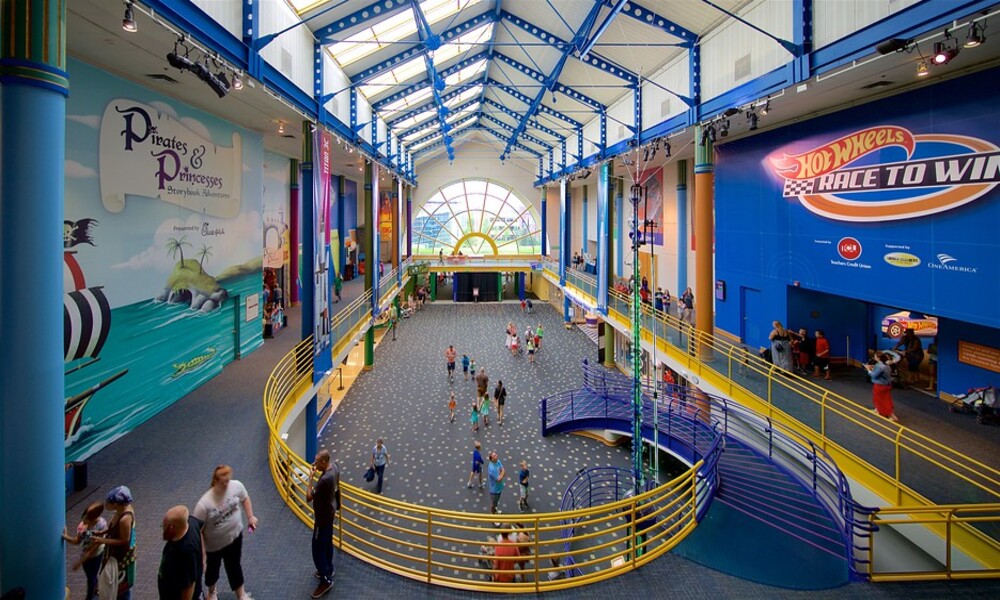
Children's Museum of Indianapolis — Indianapolis, IN
The largest children's museum in the world. Dinosphere brings dinosaurs to life with real fossils and interactive dig sites. The planetarium, carousel, and international exhibits fill an entire day. The outdoor sports complex adds physical play.
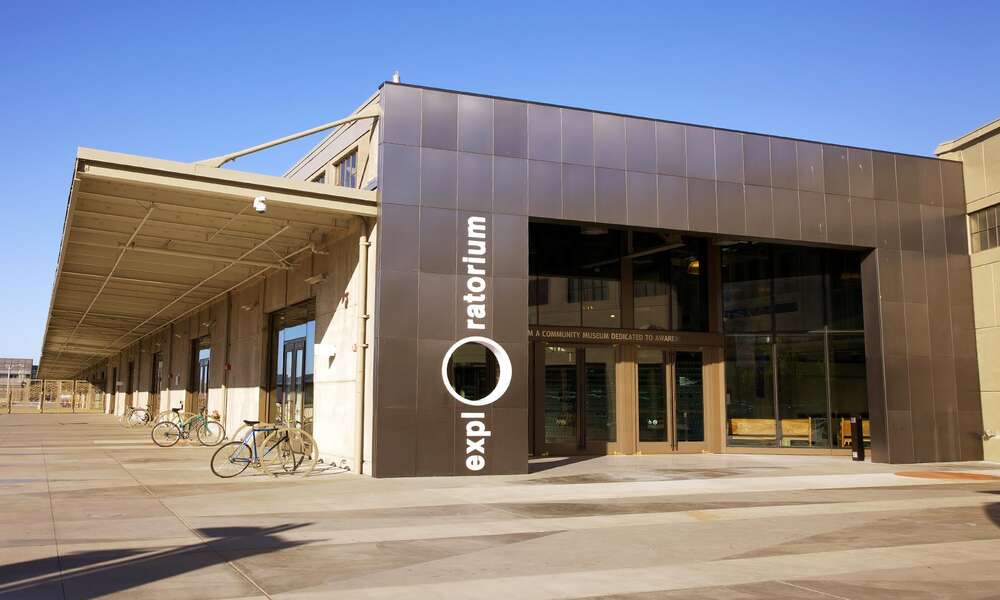
Exploratorium — San Francisco, CA
A hands-on science museum where every exhibit is designed to be touched and explored. Over 650 interactive experiences exploring light, sound, motion, and human perception. The Tinkering Studio lets kids build circuits, marble machines, and art from recycled materials.
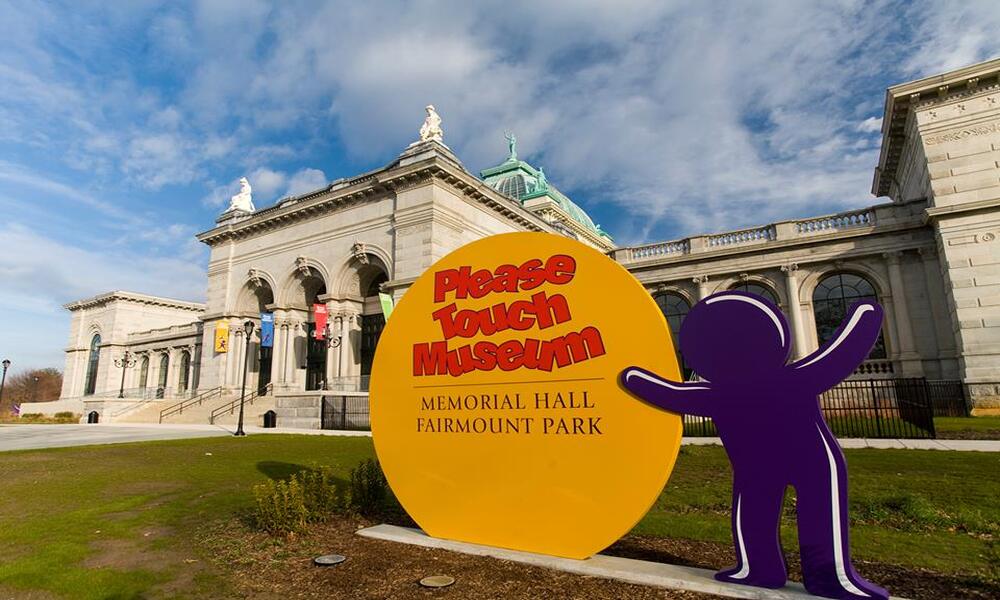
Please Touch Museum — Philadelphia, PA
A museum where touching is encouraged. The Alice in Wonderland exhibit lets kids climb through the rabbit hole. The River Adventures exhibit teaches about water flow. The restored 1908 carousel is a working piece of art. Housed in a beautiful historic building in Fairmount Park.
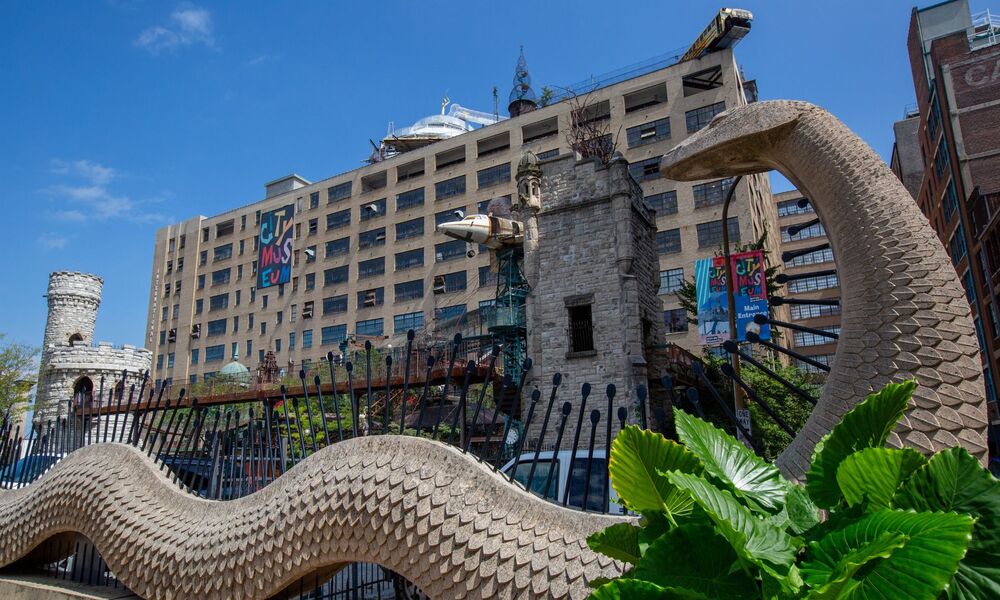
City Museum — St. Louis, MO
An industrial playground built inside a former shoe factory. A ten-story slide spirals through the building. A school bus perches on the roof. Caves and tunnels wind through man-made stalactites. A rooftop Ferris wheel. Not for the faint of heart — some areas are tight and challenging.
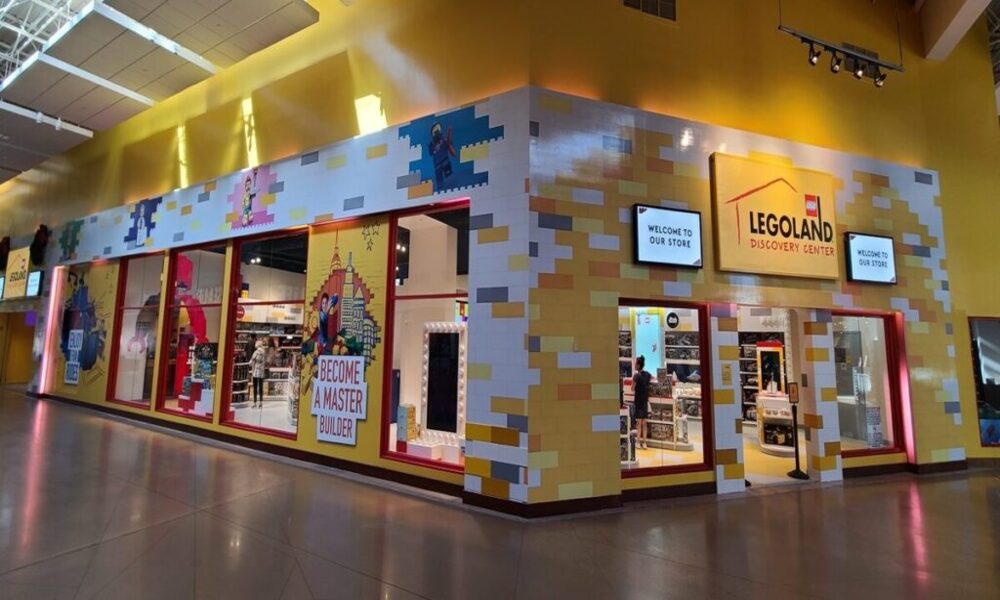
LEGOLAND Discovery Centers — Multiple Locations
Indoor LEGO-themed play centers with building workshops, rides, and Miniland recreations of local landmarks. Smaller and more manageable than the full LEGOLAND parks. Perfect for a half-day visit with children ages 3–10. Locations in major cities across the US.
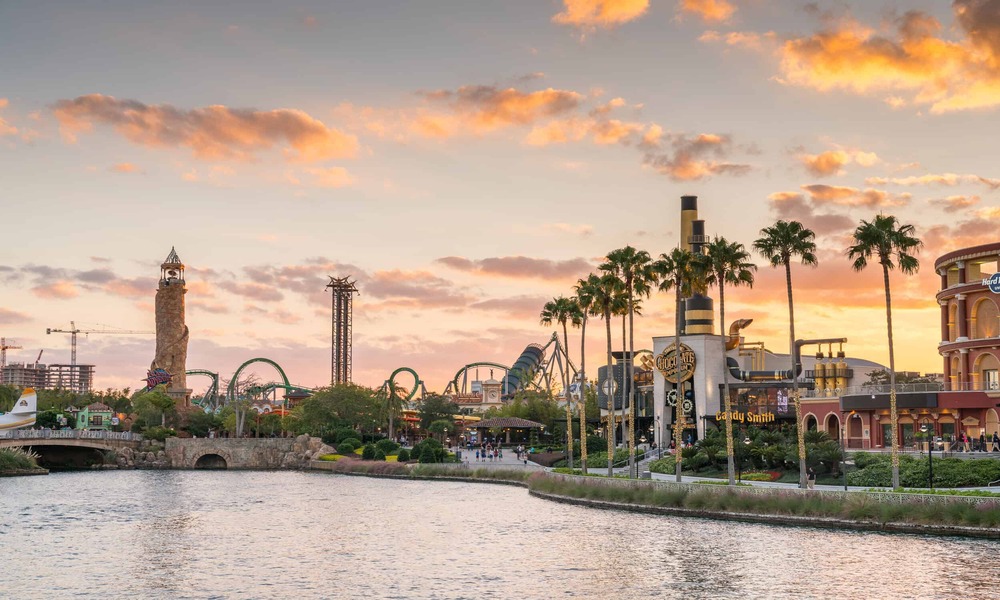
Disney Springs & CityWalk — Orlando, FL
Free to enter, packed with family-friendly dining and entertainment. Disney Springs has live music, a vintage amphicar ride, and the world's largest Disney store. CityWalk has mini golf, a movie theater, and the Toothsome Chocolate Emporium. Excellent for non-park days.
Family Attraction Strategy: Timing, Tickets, and Keeping Everyone Happy
Family outings live and die by logistics. The best attraction in the world can be ruined by hunger, exhaustion, or an ill-timed meltdown. The secret to a successful family day is pacing. Plan for half the time you think you will need, and treat anything extra as a bonus. For children under 10, two to three hours of focused exploration is often enough before energy and attention start to fade. Visit early in the day.
Most family attractions are quietest in the first hour after opening. Children are fresher, exhibits are less crowded, and staff have more time to interact. If the attraction has timed entry, book the first slot of the day. Plan a snack or meal break midway through. Hungry children do not enjoy museums. Many family attractions have on-site cafes, but bringing your own snacks is usually permitted and saves money. Memberships and reciprocal programs can dramatically reduce costs.
Many children’s museums and science centers belong to the Association of Science and Technology Centers, which offers reciprocal admission at over 300 museums worldwide. A membership at your local children’s museum may get your family into partner museums across the country for free or deeply discounted. City passes bundle multiple attractions at significant savings. Check height and age restrictions before booking. Some attractions within larger venues may have minimum requirements. Read the accessibility information if anyone in your party has mobility concerns. Many family attractions offer sensory-friendly hours or quiet rooms for children who need a break from stimulation. Strollers are usually permitted but may be restricted in certain exhibit areas. A baby carrier is often easier for very young children in crowded spaces.
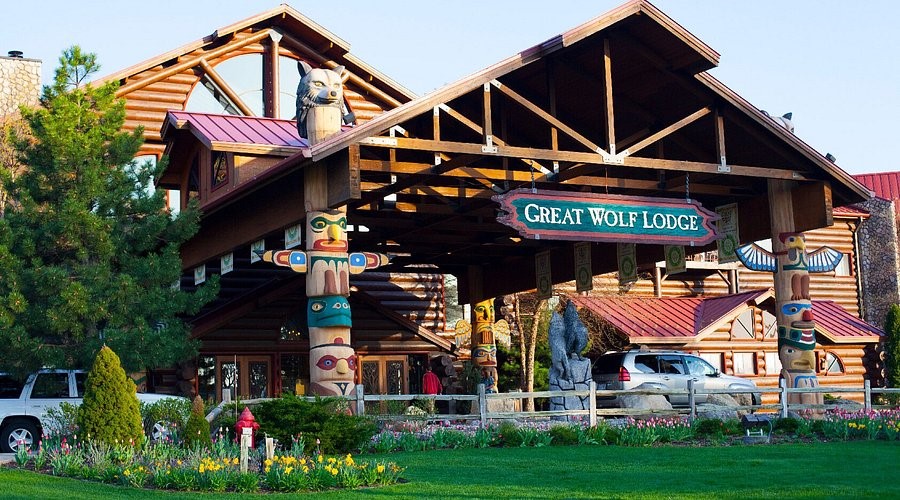
Year-Round Family Fun — Indoor Water Parks and Play Centers
Lodge, with over 20 locations, is the market leader. Every lodge features a massive indoor water park kept at 84 degrees year-round, exclusively for hotel guests. Wave pools, water slides, lazy rivers, and splash zones for toddlers are standard. Beyond the water, the lodges offer MagiQuest interactive games, arcades, mini golf, and themed suites with bunk beds for kids. Two nights is the sweet spot for a family getaway. Kalahari Resorts operates the largest indoor water parks in the country at properties in Wisconsin Dells, Sandusky, and the Poconos. The water parks are enormous, with uphill water coasters, wave pools, and FlowRider surf simulators. The resorts also include indoor theme parks with ropes courses, climbing walls, bowling, and arcades. Kalahari is more expensive than Great Wolf Lodge but offers more for teenagers and adults. Entertainment centers have evolved well beyond the arcades of decades past. Dave & Buster’s combines a full restaurant and bar with hundreds of arcade and ticket games. Main Event offers bowling, laser tag, gravity ropes, and a large arcade under one roof. Topgolf brings driving range golf into climate-controlled bays with food and drink service. These venues are designed for mixed-age groups and work well for family celebrations, rainy days, or evenings when everyone wants something different to do. LEGOLAND Discovery Centers and SEA LIFE Aquariums are smaller, mall-based versions of their theme park counterparts. A Discovery Center visit typically takes two to three hours and includes a building workshop, a dark ride, and a Miniland with local landmarks built from LEGO bricks. They are ideal for families with children ages 3 to 10 and are located in major cities including Atlanta, Chicago, Dallas, and Philadelphia.
Seasonal Magic — Holiday Events and Festivals for Familie
Seasonal events turn family attractions into something even more special. Theme parks go all-out for Halloween and Christmas, but so do zoos, museums, and botanical gardens across the country. These events create annual traditions that families look forward to all year. Zoo Lights events at zoos across the country string millions of LED lights through animal exhibits. The Lincoln Park Zoo in Chicago, the Denver Zoo, and the Houston Zoo have particularly elaborate displays. Most are included with regular admission or available at a reduced evening rate. Animals are usually indoors, but the light displays and seasonal treats make the evening memorable. Holiday train shows at botanical gardens and museums are a unique family tradition. The New York Botanical Garden’s Holiday Train Show features model trains winding through miniature replicas of New York landmarks made entirely from plant materials. The US Botanic Garden in Washington, DC, has a similar display with DC monuments. These shows sell out, so book early. Renaissance fairs operate seasonally across the country and are surprisingly family-friendly. Jousting tournaments, costumed performers, craft demonstrations, and giant turkey legs create a festive atmosphere. The Texas Renaissance Festival, the Maryland Renaissance Festival, and the Bristol Renaissance Faire in Wisconsin are among the largest. Most run on weekends in the fall. Pumpkin patches and apple orchards in autumn, ice skating rinks and holiday markets in winter, cherry blossom festivals and butterfly exhibits in spring — the seasonal calendar is full of family-friendly events. Check local listings wherever you are traveling. These experiences are often affordable, deeply local, and create the kind of memories that outlast any theme park ride.

Regional Highlights: The Best Family Attractions by Area Northeast Family Attractions
The Northeast combines history with hands-on learning. Boston’s Museum of Science sits on the Charles River and features a planetarium, butterfly garden, and live animal presentations. The adjacent Charles River Esplanade is perfect for letting kids run between museum visits. The Boston Children’s Museum pioneered interactive exhibits in 1913 and remains one of the best, with a three-story climbing structure and construction zone. New York City offers family attractions at every scale. The American Museum of Natural History is vast enough for multiple visits, with the dinosaur halls alone justifying the trip. The Intrepid Sea, Air & Space Museum sits on a decommissioned aircraft carrier and includes the Space Shuttle Enterprise. Brooklyn Children’s Museum and Staten Island Children’s Museum offer neighborhood alternatives when Manhattan feels overwhelming. Philadelphia’s Please Touch Museum occupies a restored Memorial Hall in Fairmount Park. Every exhibit is designed for children under seven to touch, climb, and manipulate. The museum includes a full-size SEPTA bus, a working carousel, and a two-story Alice in Wonderland exhibit. The Franklin Institute science museum appeals to older children with a giant walk-through heart, planetarium, and escape room experiences.
Mid-Atlantic and Southeast
Washington, DC, is unbeatable for free family attractions. The Smithsonian museums require no admission, and most are exceptionally child-friendly. The National Air and Space Museum and Natural History Museum are the biggest draws, but the National Zoo is equally impressive and free. Plan multiple short visits rather than marathon days. The North Carolina Museum of Natural Sciences in Raleigh is the largest natural history museum in the Southeast and completely free. Living conservatory, fossil lab, and daily science demonstrations make it worth a dedicated trip. Nearby Marbles Kids Museum offers hands-on play for younger children. Atlanta has emerged as a family attraction hub. The Georgia Aquarium is covered in our aquarium section, but the Center for Puppetry Arts is uniquely Atlanta. The museum houses the world’s largest collection of Jim Henson puppets and offers performances throughout the day. The Children’s Museum of Atlanta downtown focuses on ages eight and under with literacy, art, and STEM exhibits.
West Coast and Southwest
California leads the country in family attractions outside of theme parks. San Francisco’s Exploratorium pioneered interactive science exhibits and continues to innovate. The museum moved to a stunning waterfront location on Pier 15 with indoor and outdoor exhibits. The Tactile Dome requires reservations but offers a completely dark sensory experience. The California Science Center in Los Angeles houses the Space Shuttle Endeavour and remains free admission. The adjacent Natural History Museum and La Brea Tar Pits make Exposition Park a full-day family destination. The Discovery Cube in Orange County and Santa Ana provides hands-on science closer to Disneyland. San Diego’s fleet of family attractions extends well beyond the famous zoo. The Fleet Science Center has an IMAX dome theater and hands-on exhibits. The New Children’s Museum downtown focuses on contemporary art and creative play. Balboa Park contains 17 museums, most of them family-friendly, along with gardens and playgrounds. The Southwest offers unique outdoor family attractions. The Desert Botanical Garden in Phoenix has trails accessible for strollers and seasonal butterfly exhibits. The Musical Instrument Museum displays instruments from every country with audio guides that work for children and adults. Tucson’s Arizona-Sonora Desert Museum combines zoo, botanical garden, and natural history museum in one Sonoran Desert setting.
Mountain States and Pacific Northwest
Denver’s combination of urban attractions and mountain access makes it ideal for active families. The Denver Museum of Nature & Science rivals any coastal museum with dinosaur halls, space exhibits, and an IMAX theater. Downtown Aquarium is smaller than coastal aquariums but includes a restaurant where diners eat surrounded by fish tanks and a small amusement area with rides. The Pacific Science Center in Seattle sits beneath the Space Needle and offers hands-on science exhibits, an IMAX theater, and seasonal butterfly house. The nearby Seattle Children’s Museum is geared toward younger children with a global village and mountain wilderness exhibit. Woodland Park Zoo rounds out Seattle’s family offerings. Portland combines OMSI (Oregon Museum of Science and Industry) on the Willamette River with the Portland Children’s Museum in Washington Park near the zoo. OMSI includes a real submarine tour and planetarium. The Children’s Museum emphasizes imaginative play with a clay studio, water works, and outdoor nature exploration.
Frequently Asked Questions
What age are children's museums best for?
Most children’s museums are designed for ages 2 through 10. Older children may still enjoy science centers and hands-on museums but may age out of the most toddler-focused exhibits. Check the museum’s website for age-specific recommendations.
How can I save money on family attractions?
City passes bundle multiple attractions at a discount. Memberships with reciprocal benefits provide free or reduced admission at partner museums nationwide. Many museums offer free admission days monthly. Check websites for family pricing and advance purchase discounts.
Are these attractions good for rainy days?
Children’s museums, science centers, aquariums, and indoor water parks are excellent rainy-day options. They are climate-controlled and designed for extended visits. Arrive early — these venues fill up when outdoor plans get washed out.
How do I handle a child who gets overwhelmed?
Many family attractions now offer sensory-friendly hours with reduced lighting, lower sound levels, and smaller crowds. Quiet rooms or break spaces are increasingly common. Bring noise-canceling headphones if your child is sensitive to sound. Do not over-schedule — a shorter, happier visit beats a longer, stressful one.
Can I bring a stroller?
Most family attractions permit strollers, but they may be restricted in certain exhibit areas or crowded spaces. Check the venue website. A lightweight umbrella stroller or baby carrier is often more practical than a full-size stroller.
Are these attractions fun for adults without kids?
Some are, some are not. Science centers and living history museums appeal broadly. Children’s museums are designed for children and can feel limited for adults without kids in tow. Entertainment centers like Topgolf and Dave & Buster’s work well for adult groups. Read the attraction description before booking an adults-only visit.