Single Rider Lines Explained: How to Cut Wait Times Without a Paid Skip-the-Line Pass
If you’ve ever stood in a 90-minute line only to watch an employee wave people through a mysterious side entrance, you’ve witnessed the magic of the single rider line. It’s one of the theme park industry’s best-kept secrets, a free tool that can shave serious time off your day without spending a dime on a paid skip-the-line pass. Here’s everything you need to know to use it like a seasoned park veteran.
What Exactly Is a Single Rider Line?
Ride vehicles rarely fill up perfectly. A coaster train with rows of four often ends up with an odd seat or two left empty because a group of three or five doesn’t divide evenly. Single rider lines exist to solve that math problem. Solo travelers (or small groups willing to split up) get funneled into these leftover seats, filling gaps that would otherwise go to waste.
The result is a separate, much shorter queue that operates parallel to the standard line. Ride operators pull from it whenever they need one more rider to complete a row, which on popular attractions can happen almost continuously.
Why Single Rider Lines Move So Much Faster
The math is simple: fewer people are using the single rider line than the standard line, but it draws from the same steady stream of empty seats. On a ride like a launched coaster with tight, individual seating, that can mean waiting 15 minutes instead of 75. It’s essentially a built-in efficiency trick that benefits both the park (higher hourly capacity) and you (a shorter wait).
This works especially well on rides with unique seating configurations. Launch coasters, for example, often use compact trains where filling every seat matters more for cycle efficiency. If you want to understand how these rides differ from traditional lift-hill coasters and why their capacity works the way it does, check out our breakdown of launch coasters vs. lift-hill coasters.
Which Rides Typically Offer Single Rider Lines
Not every attraction has one, and availability varies by park and even by day. You’ll most commonly find single rider lines at:
- High-throughput steel coasters with stadium or row seating
- Motion simulators and 4D theaters
- Iconic marquee attractions where demand consistently outpaces capacity
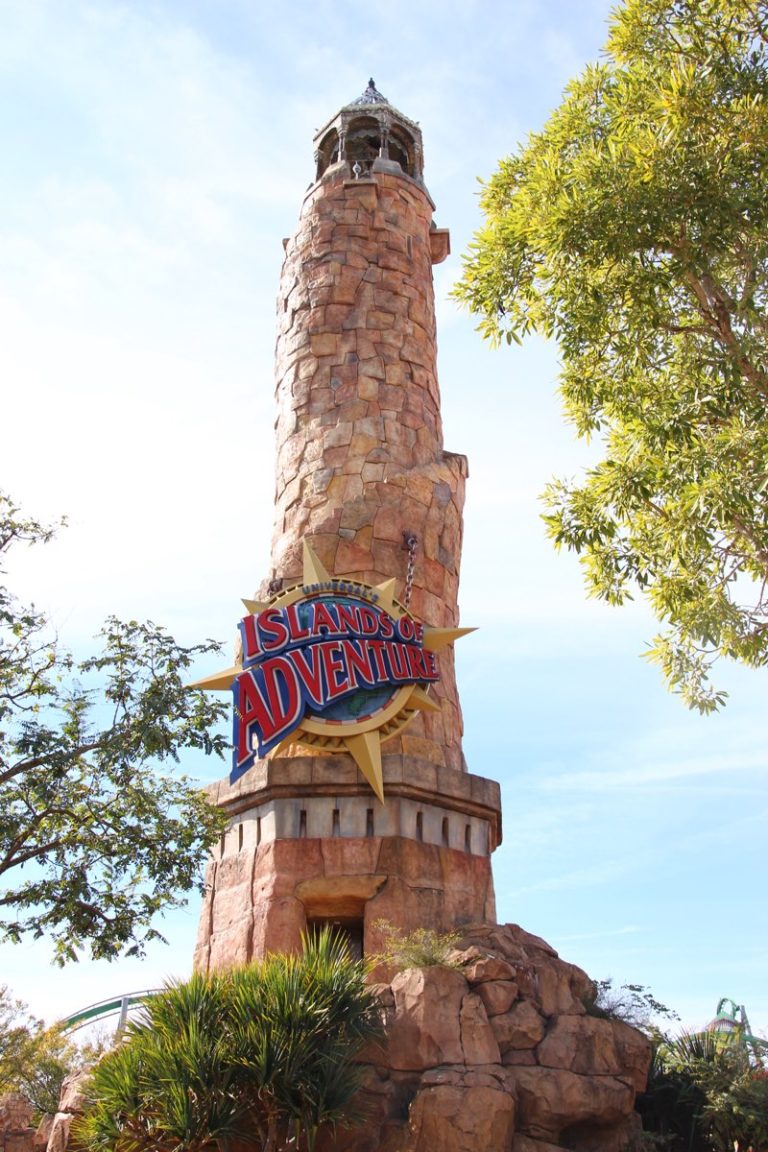
Universal Studios parks are famous for offering single rider lines on several of their headline coasters, and various Six Flags, Cedar Fair, and international parks use them selectively. It’s always worth checking the park’s app or asking a team member at the entrance, since signage isn’t always obvious.
The Trade-Off You Should Know About
Single rider lines aren’t free of downsides. You’ll be seated wherever there’s an empty spot, which means you likely won’t sit with friends or family, and you may not get your preferred row (goodbye, front seat). Pre-shows, story elements, and themed queue experiences are also usually skipped entirely, since single rider paths are built purely for efficiency, not atmosphere.
If the storytelling and queue theming are part of why you’re riding, you may want to eat that wait time cost once and save the single rider line for repeat rides later in the day.
How to Use Single Rider Lines Strategically
The best approach is to treat single rider lines as a supplement to your overall touring plan, not a replacement for it. A few practical tips:
- Split up your group. If you’re traveling with two or three people, everyone can enter separately and simply meet up at the exit.
- Save it for rerides. Experience the full queue once for the theming, then use the single rider line for laps two, three, and beyond.
- Check early in the day. Single rider availability can be suspended during slow periods when it’s not needed, so it tends to be most useful when crowds build up.
- Pair it with smart timing. Combining single rider lines with off-peak visits amplifies the effect. Our month-by-month crowd calendar can help you pick dates when lines are already shorter across the board.
Single Rider vs. Paid Skip-the-Line Passes
Paid line-skip products can certainly save time, but they add real cost, sometimes $50-$100 or more per person per day at major parks. Single rider lines cost nothing and can deliver similar time savings on the right attractions. The catch is you’re trading convenience and group seating for that free upgrade.
For budget-conscious travelers, a smart strategy is to reserve any paid skip-the-line spending for the one or two rides without a single rider option, while using the free single rider line aggressively everywhere else. As more record-breaking coasters open worldwide, including future headliners like Falcon’s Flight at Six Flags Qiddiya, expect single rider lines to remain a permanent fixture at parks looking to maximize capacity on their most in-demand attractions.
The Bottom Line
Single rider lines won’t work for every ride or every travel style, but for solo travelers, split-up families, and anyone chasing extra reride laps, they’re one of the most effective free tools in the theme park playbook. Next time you’re facing a long wait, glance around for that unassuming side queue. It might just save your day.