Launch Coasters vs. Lift-Hill Coasters: How the Two Experiences Actually Differ
Ask any coaster enthusiast whether they prefer a launch or a lift hill, and you’ll likely start a friendly argument. Both mechanisms exist to do the same basic job — get a train of people moving fast enough to complete a circuit — but the way they accomplish that goal shapes everything about the ride experience, from pacing to anticipation to the physical sensations in your stomach. Understanding the difference can help you pick the right ride for your mood, or at least know what you’re getting into before you strap in.
The Classic Lift Hill: Anticipation Built Slowly
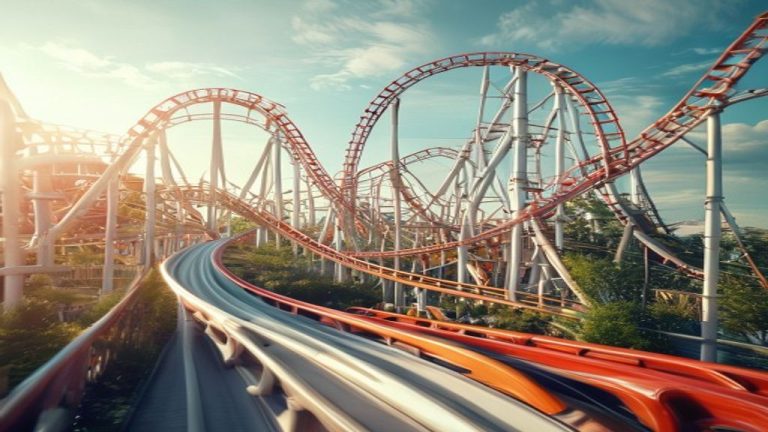
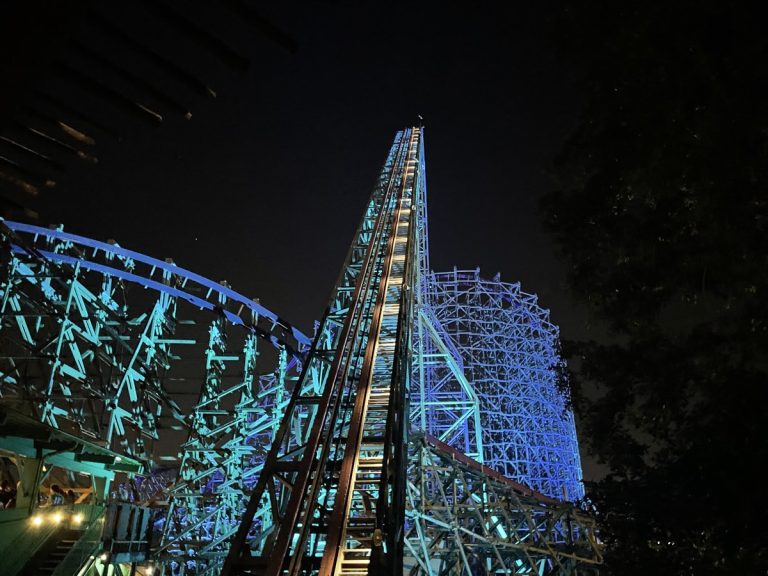
The lift hill is theme park royalty. It’s the mechanism behind everything from wooden classics to modern giants, and it works on a simple principle: a chain or cable grabs the train and hauls it slowly up an incline, converting the energy of a motor into stored potential energy at the top. Once the train crests the peak, gravity takes over for the rest of the ride.
What makes lift hills so beloved isn’t the engineering — it’s the psychology. That slow, clacking climb is a masterclass in tension-building. Riders can see the horizon stretch out, hear the chain dogs ratcheting beneath the train, and feel their stomachs tighten in anticipation of the drop. Amusement park designers have known for a century that dread is half the fun. The lift hill gives you time to make eye contact with your friends, laugh nervously, and maybe regret your seating choice — all before a single drop happens.
The Trade-Off: Time and Space
The downside of a lift hill is practical. It takes time (sometimes a minute or more on tall coasters) and a significant physical footprint. A 200-foot lift hill needs 200 feet of clear vertical space and usually a fairly long runway of track to accommodate the incline. That’s part of why so many hypercoasters and giga coasters dominate huge swaths of park real estate — the lift alone can be longer than an entire compact launch coaster.
Launch Coasters: Instant, Violent Momentum
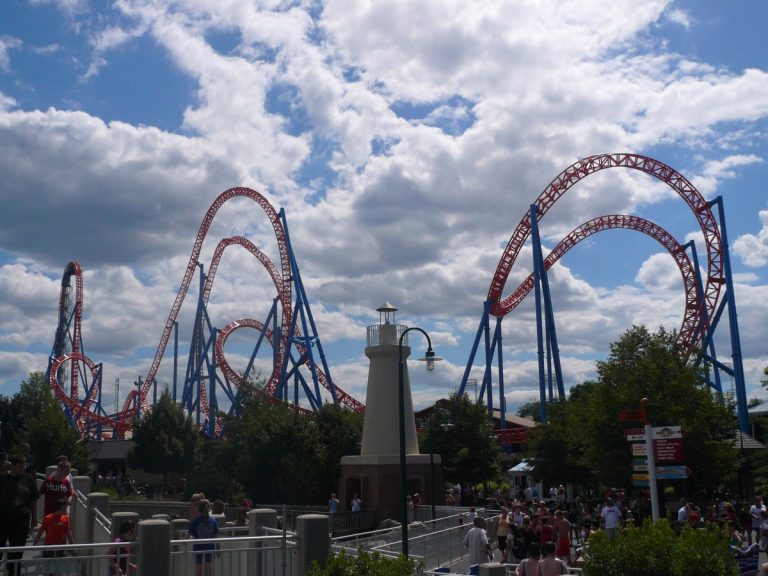
Launch coasters skip the slow build entirely. Instead of a chain dragging you skyward, a launch system — usually linear induction motors (LIM), linear synchronous motors (LSM), or hydraulic launch technology — fires the train from zero to full speed in a matter of seconds. There’s no climb, no anticipation-building crawl, just an immediate and often startling surge of acceleration that pins riders back into their seats.
This creates a completely different emotional experience. Instead of dread that builds gradually, launch coasters deliver shock. Many launched rides intentionally hide the launch moment from view or use pre-launch holds — pausing the train briefly before firing — specifically to catch riders off guard. It’s a more compressed, adrenaline-forward sensation compared to the slow-burn suspense of a traditional lift.
Why Parks Love Launches
Launch systems let designers build incredibly compact, intense rides in a fraction of the footprint a lift-hill coaster would need. That’s part of why so many next-generation coasters use launches as a centerpiece — they let you deliver enormous speed and g-forces without needing acres of land for a towering lift. It’s also why some of the most extreme upcoming rides you can read about in our roundup of new rides opening in 2027 rely heavily on launch technology to hit record-breaking stats in tighter spaces.
Multi-launch coasters take this further, using several launch segments throughout the layout instead of a single big burst, keeping the energy high and the pacing relentless from start to finish rather than front-loading all the speed at the beginning.
Hybrid Approaches and Record-Chasers
Some of the most talked-about coasters on the planet blend both philosophies, using a launch to reach a colossal top hat or lift hill for a dramatic visual moment before the real drop happens. Falcon’s Flight at Six Flags Qiddiya is a great example of how modern engineering pushes launch technology to extremes most riders couldn’t have imagined a decade ago, using launches to achieve speeds that would otherwise require an impossibly tall lift hill.
Meanwhile, innovations like RMC hybrid coasters often still rely on classic lift hills, proving that the old-school climb-and-drop format still has plenty of room to innovate even as launch technology grabs headlines.
Which One Is Actually Better?
There’s no universal answer — it depends entirely on what you’re chasing. If you love the theater of anticipation, the community bonding of a slow climb, and the visual payoff of cresting a hill, lift-hill coasters will always feel more complete as an experience. If you want instant, visceral adrenaline with no waiting around, launch coasters deliver a rawer, faster hit.
Many enthusiasts argue the best coasters use both, alternating between launches and hills to keep riders guessing about what’s coming next. Either way, understanding the mechanics behind the two styles makes it easier to pick your next must-ride attraction — and to know exactly what kind of scream you’re about to let out.