Launch Coasters vs. Lift-Hill Coasters: How the Two Experiences Actually Differ
Two Very Different Ways to Get a Coaster Moving
Every roller coaster needs energy to complete its course, and how that energy gets delivered shapes the entire ride experience. Traditionally, coasters have relied on a lift hill: a chain or cable slowly hauls the train up a steep incline, storing potential energy that gets released as gravity takes over on the first drop. But over the last few decades, launch coasters have surged in popularity, using hydraulics, magnets, or compressed air to hurl trains from a standstill to highway speeds in seconds. Both approaches get you to the same destination — a thrilling ride — but the journey there feels completely different.
The Lift-Hill Experience: Anticipation Built In
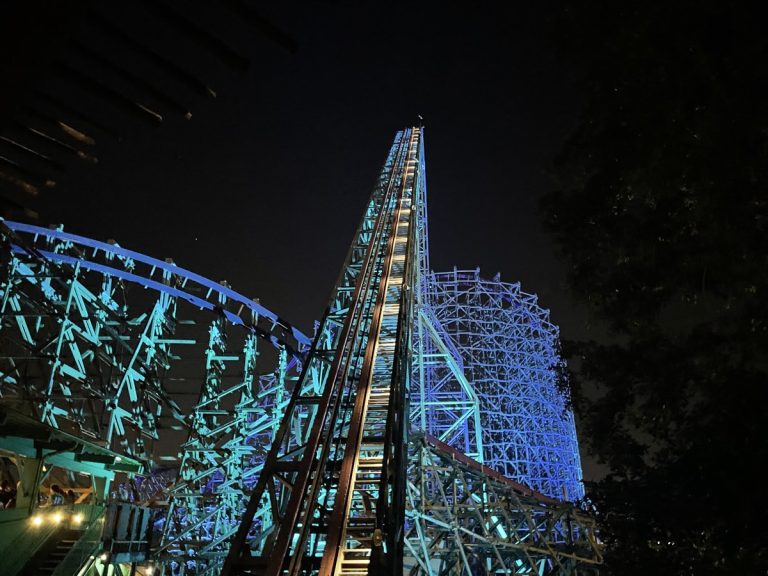
There’s a reason lift hills have stuck around since the days of wooden coasters: the slow climb is part of the ride’s storytelling. As the chain lift clicks and clacks, riders get a bird’s-eye view of the park, time to grip the restraints, and a mounting sense of dread or excitement as the crest approaches. That pause at the top, right before gravity takes hold, is one of the most iconic sensations in the coaster world.
Why Lift Hills Still Matter
Lift hills also serve a practical purpose. They’re a cost-effective way to generate the height needed for big drops without complex machinery, which is why they remain common on wooden coasters and classic steel designs. The trade-off is time — a long lift hill eats into your ride’s excitement-per-minute ratio, and on hot days, that slow crawl can feel like an eternity.
The Launch Coaster Experience: Instant Adrenaline
Launch coasters skip the slow buildup entirely. Instead, riders are catapulted from zero to 60+ mph in a matter of seconds using linear induction motors (LIMs), linear synchronous motors (LSMs), hydraulic systems, or even compressed air. There’s no anticipation climb — just a countdown, a jolt of force pressing you into your seat, and a rush of speed that hits immediately. This sudden burst of acceleration creates a completely different kind of thrill: less about dread and more about shock and awe.
Multiple Launches, Multiple Thrills
Many modern launch coasters don’t stop at just one launch. Rides can feature two, three, or even more launch segments, sending trains forward, backward, or through inversions with repeated bursts of speed. This allows designers to build coasters with intense pacing and no downtime, since there’s no need to return to a lift hill between elements. It’s also part of why launch coasters tend to dominate conversations about the world’s fastest and most record-breaking rides — a topic explored in our deep dive on Falcon’s Flight at Six Flags Qiddiya, which uses a massive launch to become one of the fastest coasters ever built.
Comparing the Physical Sensations
The biggest difference riders notice is the type of g-force involved. Lift hills build potential energy that converts into strong vertical g-forces on the first drop — that classic stomach-drop feeling. Launch coasters, on the other hand, generate horizontal g-forces during acceleration, pressing riders back into their seats before the track’s layout takes over. Some riders find launches more jarring and intense, while others find the sustained anticipation of a lift hill more psychologically nerve-wracking. Neither is objectively “better” — they simply target different parts of the thrill spectrum.
Ride Length and Pacing
Launch coasters often pack more track and more inversions into a shorter overall ride time because they don’t need height to generate speed. Lift-hill coasters, meanwhile, tend to rely on that initial height for most of their energy, meaning pacing can slow down toward the end of the ride as speed bleeds off. This is part of why hybrid designs and multi-launch layouts have become so popular for parks wanting nonstop intensity — a similar innovation trend we’ve covered when discussing RMC hybrid coasters reinventing classic wooden structures.
Which Style Should You Ride First?
If you’re chasing pure adrenaline and don’t want a slow buildup, seek out launch coasters — they deliver immediate payoff and are often shorter in wait-adjacent experience once you’re on board. If you love the theater of anticipation and that classic first-drop stomach flip, lift-hill coasters remain unmatched. Many enthusiasts recommend riding a launch coaster first thing in the morning when lines are short, and saving a legacy lift-hill classic for golden-hour photos at the top of the first drop.
Planning Your Coaster Lineup
Whichever style you prefer, minimizing wait times matters. Look into single rider lines for popular launch coasters, which often move faster since trains fill odd seats. And if you’re planning ahead, check our roundup of new rides opening in 2027 to see which upcoming coasters use launches, lift hills, or a hybrid of both.